Foreigners can buy in full freehold ownership in Mauritius — within government-approved schemes (IRS, RES, PDS, Smart City, and G+2 apartments from MUR 6M). From USD 375,000, the purchase carries a residence permit for the whole family, valid as long as you own, with no minimum stay. Since the Finance Act 2025, buying outside approved schemes is closed. Registration duty remains at 5% — the planned increase to 10% was repealed by the Finance Bill 2026. Local bank financing is available to non-residents.
Mauritius: Where a Deed Comes with a Life
Mauritius is the rare market where a property purchase is also an immigration decision: buy in a government-approved development and the residence permit comes with the keys — for you and your family, for as long as you own. Add a stable, English- and French-speaking common-law jurisdiction, a gentle tax environment and an island lifestyle between golf, lagoon and international schools, and you have one of the most complete relocation-and-investment propositions in the Indian Ocean.
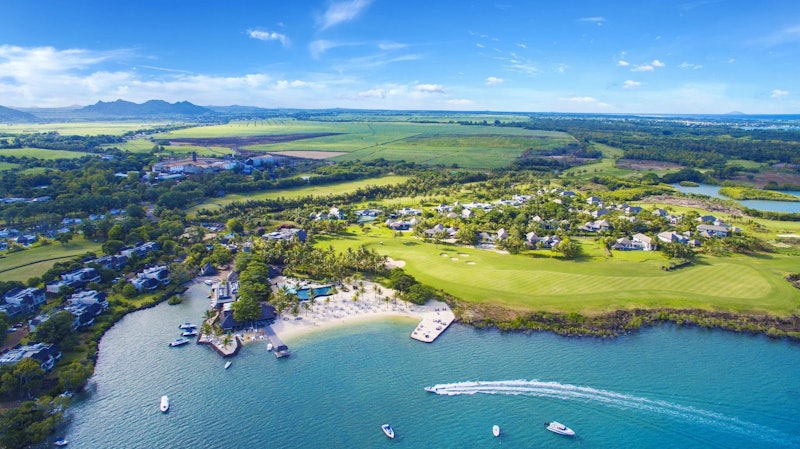
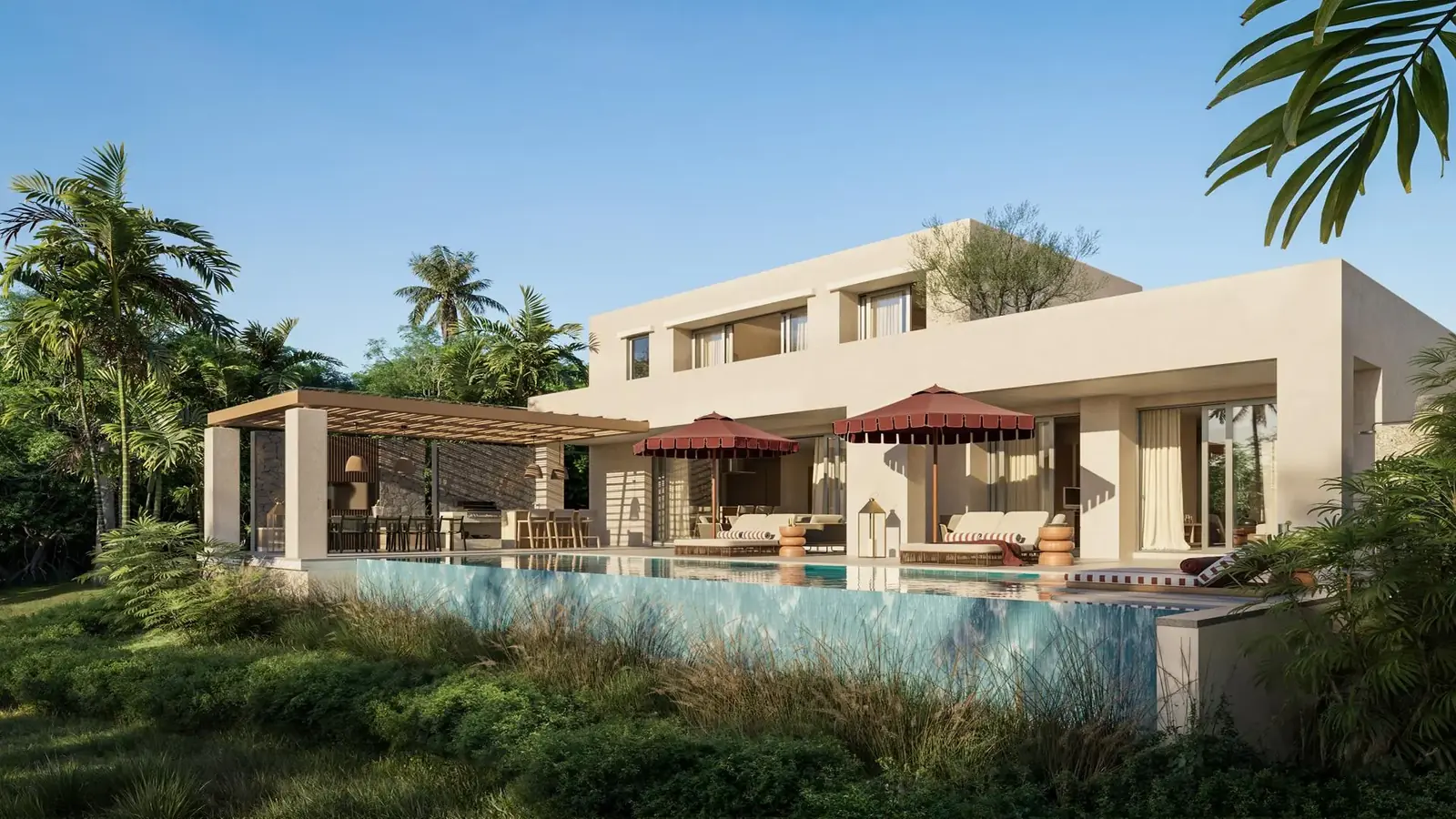
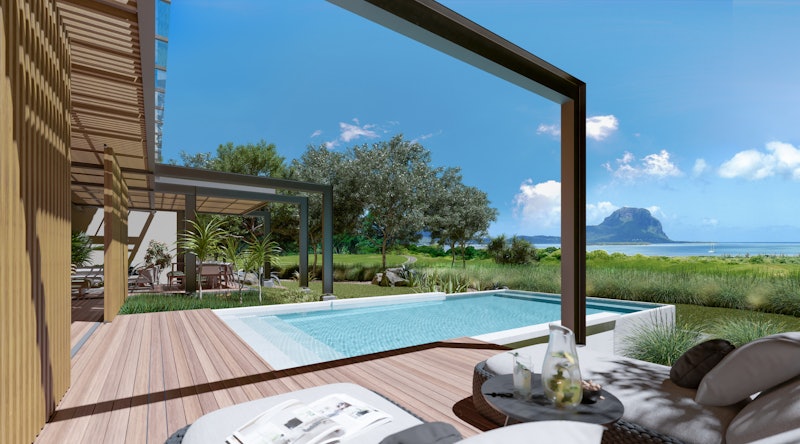
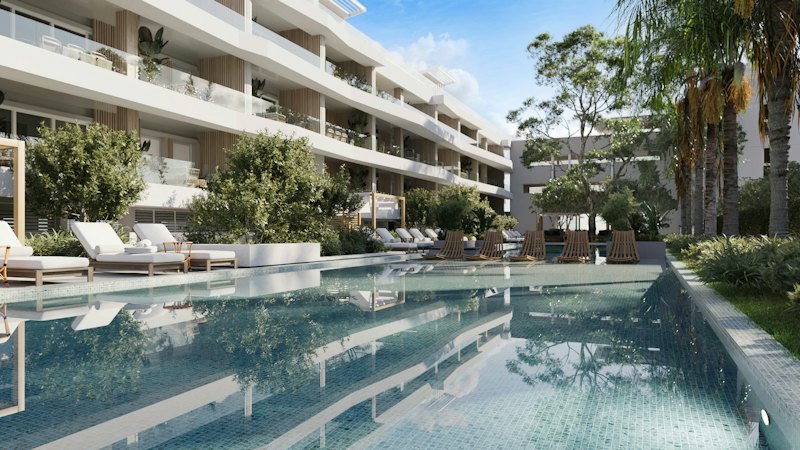
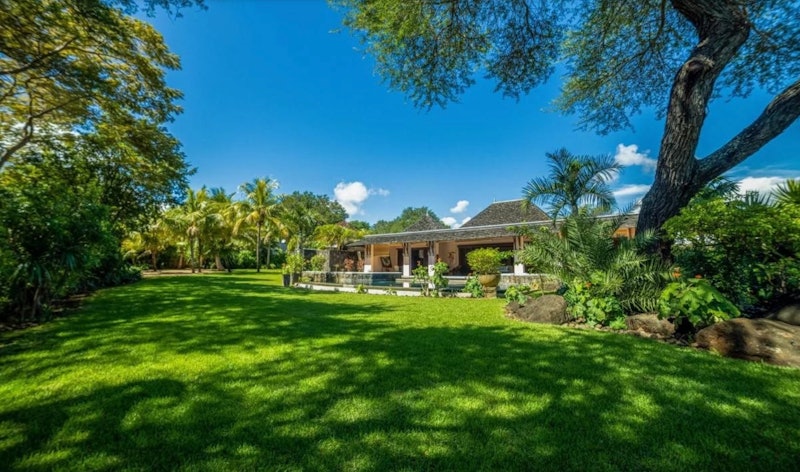
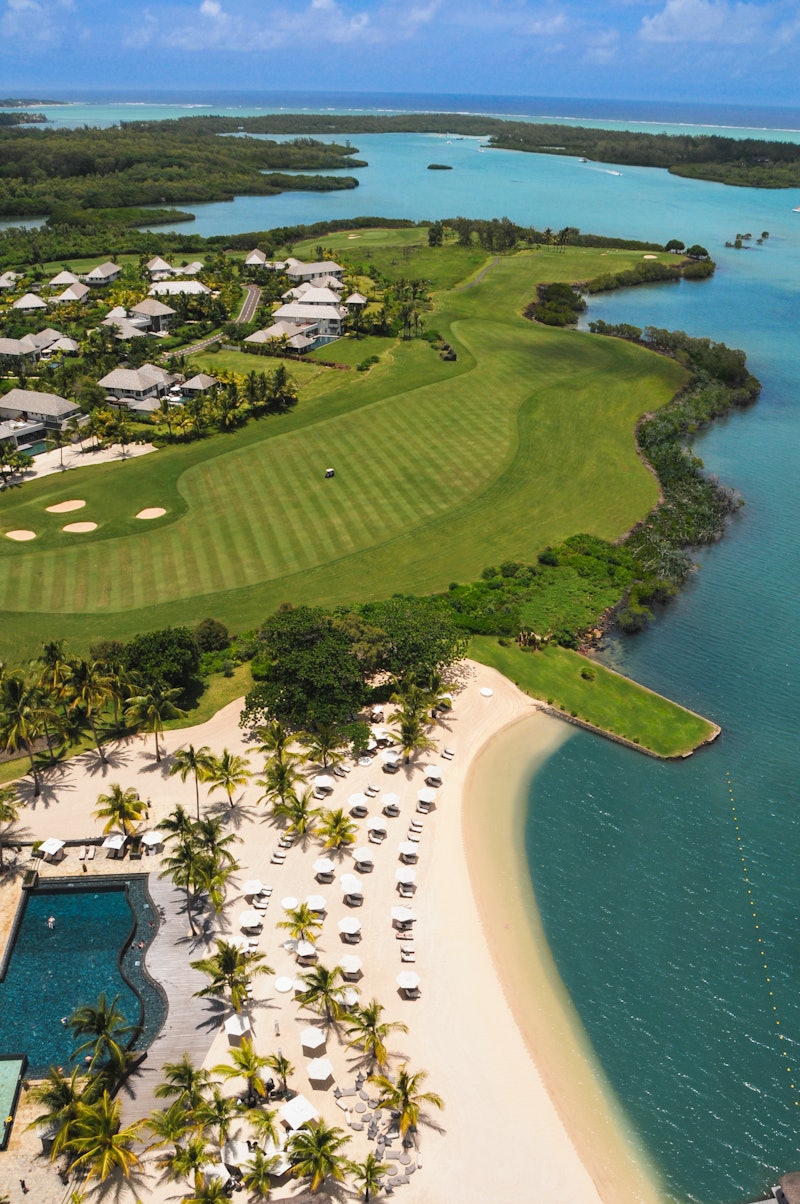
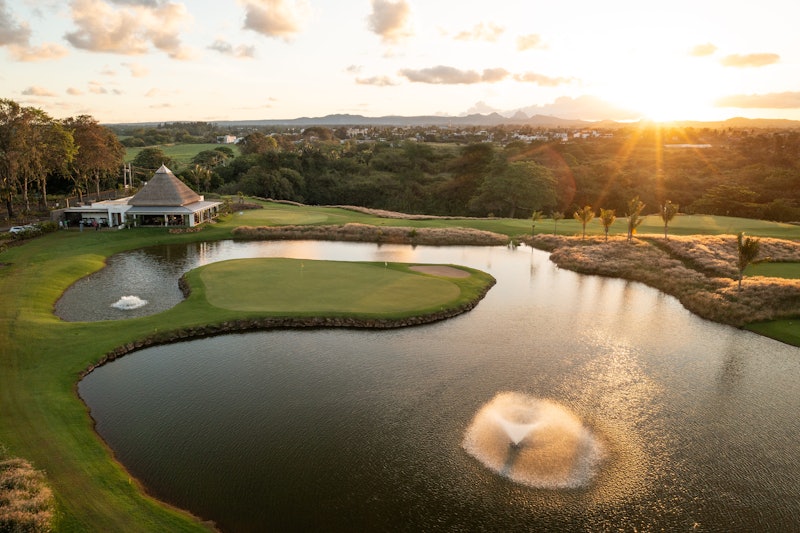
The market is organised around estate living: integrated golf-and-beach domains such as Anahita, Mont Choisy, Heritage Villas Valriche or Harmonie, alongside branded resort addresses like One&Only Le Saint Géran. GADAIT curates villas, penthouses and estate residences across the island, with off-market access and acquisition advisory for qualified buyers.
Can Foreigners Buy Property in Mauritius?
Yes — and in full freehold ownership, which sets Mauritius apart from most island markets. Non-citizens buy within government-approved schemes authorised by the Economic Development Board (EDB): IRS, RES, PDS, Smart City, and apartments in ground-plus-two (G+2) buildings from MUR 6 million.
One important change: since the Finance Act 2025, non-citizens can no longer acquire residential property outside the approved schemes (the former USD 500,000 exception was abolished). In practice this changes little for premium buyers — the island's finest estates have always been within the schemes — but it makes choosing the right development, and validating its EDB status, more important than ever.
| Scheme | What it is | Entry & residency | Note |
|---|---|---|---|
| IRS | Original large resort estates (golf, marina, hotel services) | Residency from USD 375k | Anahita, Tamarina generation |
| RES | Smaller boutique developments | No minimum price · residency from USD 375k | Wide price range |
| PDS | Current framework for luxury villa & apartment estates | Residency from USD 375k | Most new estates since 2015 |
| Smart City | Mixed-use live-work-play cities | Residency from USD 375k | Incentives revised in 2025 |
| G+2 apartments | Apartments in ground+2 buildings, island-wide | From MUR 6M · residency from USD 375k | The apartment route |
USD 375,000: The Residence Permit with the Keys
Buy a residential property of at least USD 375,000 in an approved scheme and you are granted a residence permit valid for as long as you own the property. It is one of the most straightforward residency-by-investment routes in the world — no points system, no donation, a real asset.
Coasts & Estates
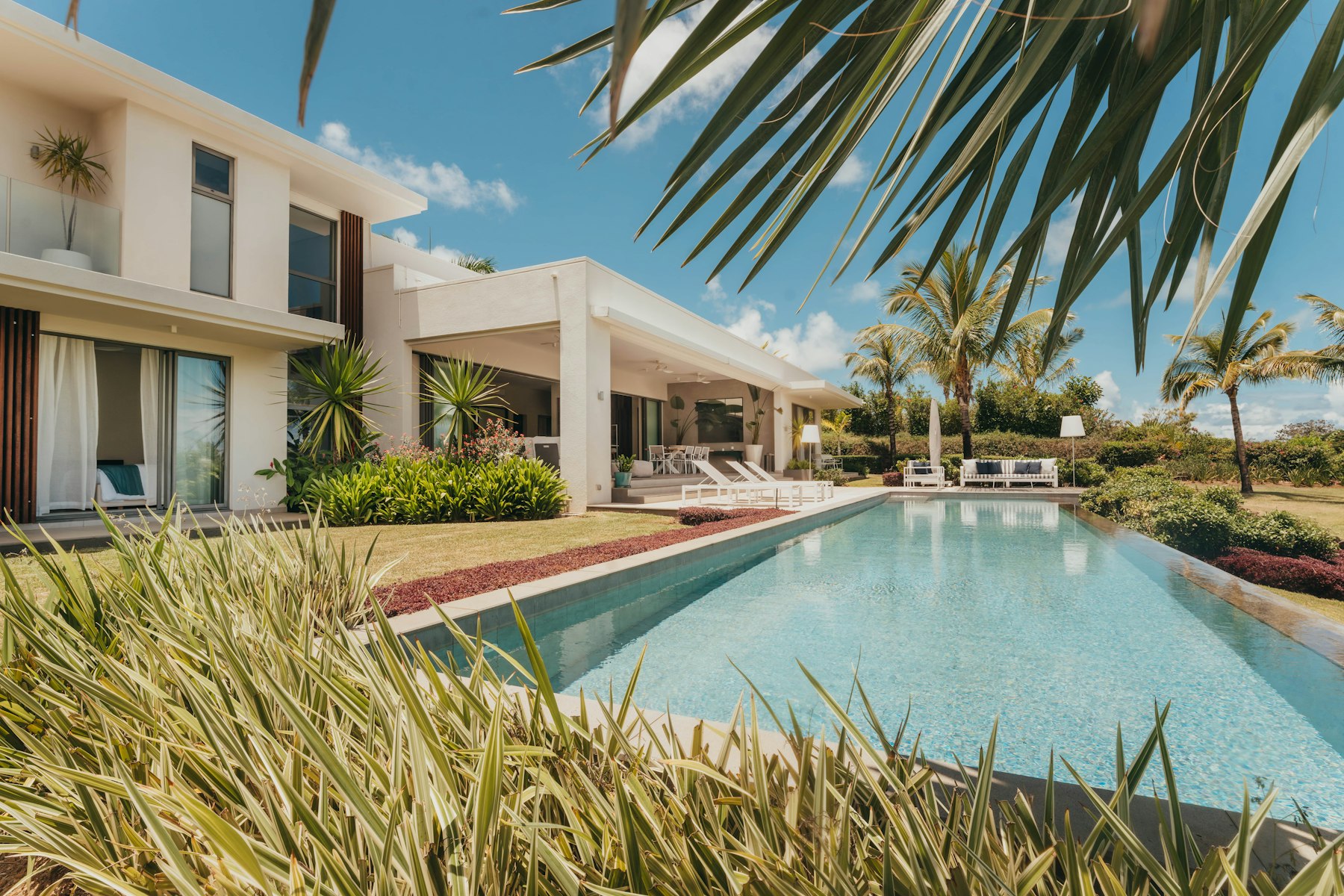
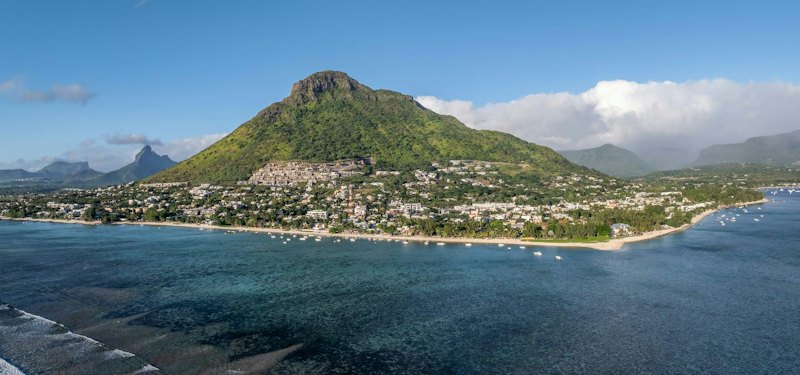
Mauritius is four different islands in one. Each coast has a distinct rhythm, buyer profile and investment logic — choosing the coast is choosing the life.
| Coast | Anchors | Profile | Best For |
|---|---|---|---|
| North | Grand Baie · Mont Choisy | Vibrant · Most liquid | Marina life, schools, resale depth |
| West | Tamarin · Black River | Surf · Sunsets · Le Morne | Lifestyle, family estates |
| East | Beau Champ · Anahita | Lagoon · Resort coast | Golf, hotel services, serenity |
| South | Bel Ombre | Wild · Exclusive | Nature reserve, privacy |
The Estates That Hold Their Value
The strongest Mauritian assets sit inside established, EDB-approved estates with golf, services and governance — they concentrate demand, hold resale value and qualify for the residence permit. These are the addresses we monitor daily:
| Estate | Coast | Style | Status | Link |
|---|---|---|---|---|
| Anahita Golf & Beach Resort | East · Beau Champ | Lagoon villas, golf estate | Reselling & new | View → |
| One&Only Le Saint Géran | East · Pointe de Flacq | Private Homes, resort services | Ultra-prime | View → |
| Mont Choisy Golf Estate | North · Grand Baie | Golf villas & apartments | Selling | View → |
| Azuri Ocean & Golf Village | North-East · Roches Noires | Oceanfront village living | Established | View → |
| THE PAC Residencies | North · Pointe aux Canonniers | 42 PDS apartments & 5 penthouses | Selling · delivery Q4 2028 | View → |
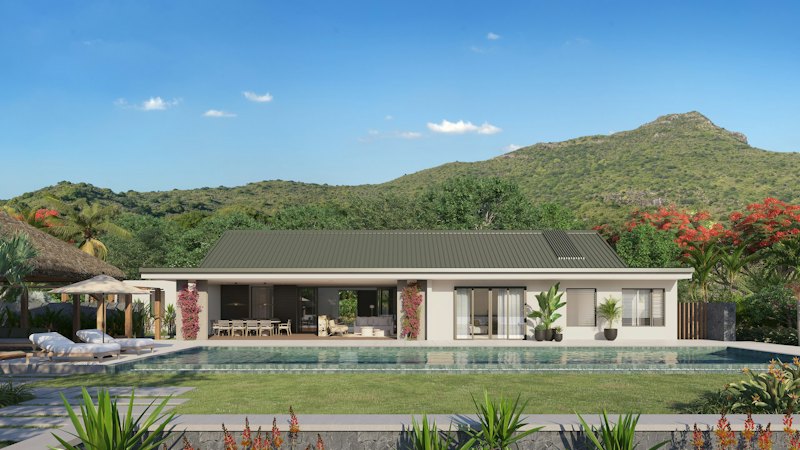
| Villa Mauricia | North · Mont Mascal (Grand Baie) | 15 single-storey RES villas, 3 suites | Selling · 6 villas from €700,000 | View → |
| Maisons de Bonneval | West · Tamarin, Domaine de Belouguet | 7 freehold PDS family homes | Selling · villas 5-6 from €1,750,000 | View → |
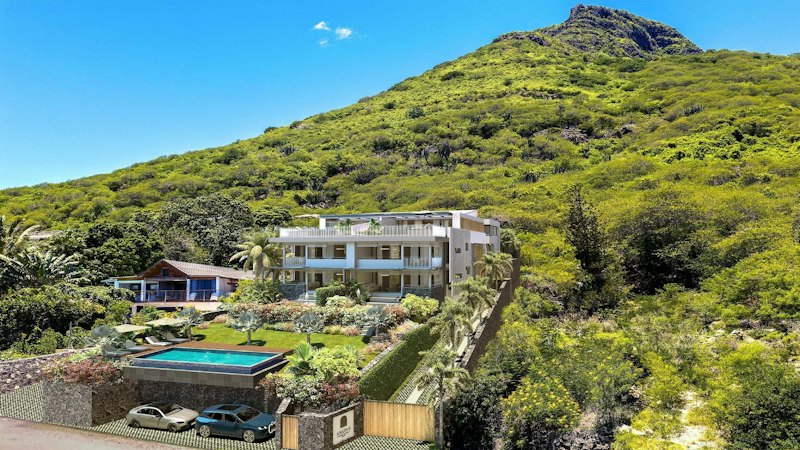
| Anaya 6 | West · Tamarin, slopes of La Tourelle | 4 apartments and 2 penthouses, 3 suites, lagoon views | Selling · from €895,000 | View → |
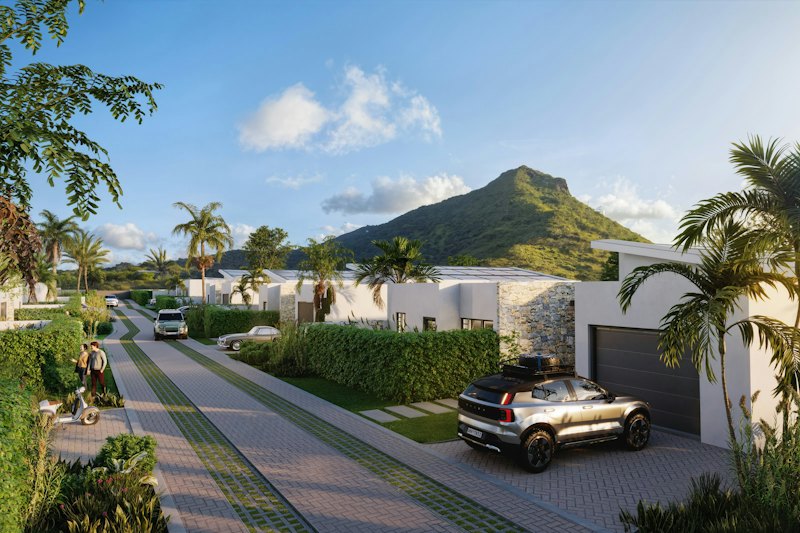
| Amanzira | West · Tamarin, Domain neighbourhood | Eco-villas of 2 to 4 bedrooms facing Le Rempart and La Tourelle | Selling · 9 PDS villas from €860,625 | View → |
| Heritage Villas Valriche | South · Bel Ombre | Estate villas, nature reserve | Selling | View → |
| Valriche by YOO | South · Bel Ombre | 11 villas designed by YOO Studio | Selling · 7 left | View → |
| Harmonie Golf & Beach Estate | West · Black River | Golf & beach estate, Le Morne views | Selling | View → |
| Tamarina Golf & Beach Estate | West · Tamarin | Golf estate above Tamarin Bay | Established | View → |
GADAIT Portfolio Snapshot — August 2026
Not estimates — this is our live for-sale inventory in Mauritius, the asking prices we work with every day.
Where the offer actually is: Rivière Noire (54 listings) and Tamarin (32) lead the West, Beau Champ / Anahita (51) anchors the East, Bel Ombre (23) the South, and Grand Baie (16) the North. Close to 40% of the portfolio sits under €1M — the $375k residency threshold is accessible well before the trophy tier.
| Area | Coast | Listings | From | Median asking |
|---|---|---|---|---|
| Rivière Noire | West | 54 | ≈ €487,000 | ≈ €2.4M |
| Beau Champ · Anahita | East | 51 | ≈ €499,000 | ≈ €2.4M |
| Tamarin | West | 32 | ≈ €306,000 | ≈ €1.65M |
| Bel Ombre | South | 23 | ≈ €430,000 | ≈ €1.85M |
| Grand Baie | North | 16 | ≈ €215,000 | ≈ €744,000 |
| Haute Rive | North-East | 12 | ≈ €176,000 | ≈ €629,000 |
GADAIT portfolio asking prices, August 2026, converted at indicative FX. Refreshed regularly — cite as “GADAIT International portfolio data”.
How to Buy in Mauritius
The process is notarised, escrowed and EDB-supervised — one of the most secure legal frameworks among international second-home markets. For a completed property, plan roughly 6–10 weeks.
| Step | Indicative timing |
|---|---|
| Brief, shortlist & viewings | 1–3 weeks |
| Reservation & escrow deposit | On selection |
| EDB approval & notary due diligence | 3–6 weeks |
| Deed of sale & registration | On approval |
| Total estimated timeline (completed property) | ~6–10 weeks |
The Complete Buyer's Checklist
Everything to gather — for the EDB acquisition file, the residence permit and the bank account. GADAIT prepares and tracks each file with the developer, notary and bank; here is the exact list, sourced from the official guidelines.
These rules apply to first sales under IRS/RES/PDS/IHS/SCS (not to resales or G+2 apartments). Permit-holding residents may finance from local funds. Source: EDB, FAQ February 2025.
The EDB Acquisition File
Filed by the IRS/RES/PDS company on your behalf — GADAIT prepares it with you.
- ✓Certified copy of passport (each buyer)
- ✓Birth certificate (certified copy)
- ✓Bank KYC (letter from your bank)
- ✓Preliminary reservation contract (CRP)
- ✓EDB fee: MUR 25,000 (non-refundable)
- ✓Company: COI, shareholder register · Trust: trust deed & FSC-licensed trustee
The Residence Permit
Filed with the acquisition — covers spouse and children, valid for as long as you own the property.
- ✓Certified passports & birth certificates (each applicant)
- ✓2 passport photos per person
- ✓Medical certificate under 6 months old (each)
- ✓Morality (police) certificate under 6 months (18+)
- ✓Notary certificate (deed registered & transcribed)
- ✓Couples: marriage / cohabitation certificate or affidavit + UID form
The Mauritian Bank Account
With MCB, SBM or AfrAsia — often finalised during a visit; allow a few days to a few weeks.
- ✓Valid passport
- ✓Proof of address under 3 months old
- ✓Reference letter from your current bank
- ✓Proof of income and source of funds
- ✓Residence permit (if already granted)
- ✓Banks may request further documents — we track the file
Lists drawn from the official EDB guidelines (acquisition & residency, 2024-2025 eds.) and standard requirements of Mauritian banks (checked August 2026) — the EDB and banks may request any additional document. General information, not personalised legal or tax advice: each file is framed with the notary and our partners.
Buying Serviced Land and Building
The alternative almost no one explains: some IRS and PDS estates sell serviced plots (roads, walls, utilities, landscaping included) on which you build your villa — to the estate's architectural guidelines, for a home that is truly yours.
- ·Up to 0.5275 ha (1.25 arpents)
- ·Minimum price: $350,000
- ·Construction required within 5 years
- ·No resale before the villa is completed
- ·Up to 2,100 m²
- ·One plot only per non-citizen
- ·Reserved for permit holders (residence, occupation or permanent)
- ·Build within 5 years, to the estate's guidelines
- ·The residence permit is granted only once the villa is completed
- ·Total budget = land + build + timeline
- ·GADAIT frames the project: plot, approved architect, schedule
- ·Sources: EDB acquisition guidelines (2024-2025 eds.)
Official EDB rules — each estate adds its own architectural guidelines. Structure to be validated with the notary and the estate.
What Does It Cost to Buy & Own? (2026 Rules)
Good news for buyers: the Finance Act 2025 had scheduled 10% registration duty from 1 July 2026, but the Finance Bill 2026 repealed the increase — non-citizens continue to pay 5%. Ownership itself remains remarkably light — no annual property tax, no wealth tax, no capital gains tax, no inheritance duty.
| Item | What to expect |
|---|---|
| Registration duty (buyer) | 5% of price — the planned rise to 10% was repealed by the Finance Bill 2026 |
| Land transfer tax (seller, on resale) | 5% of price — the planned rise to 10% was reversed by the Finance Bill 2026; the 30%-of-gain levy was never enacted |
| Notary fees | Sliding scale, roughly 0.5–2% + VAT |
| Annual property / council tax | None on residential property |
| Wealth tax | None |
| Capital gains tax | None — Mauritius remains a no-CGT jurisdiction |
| Inheritance / estate duty | None — free disposition within forced-heirship rules |
| Personal income tax (if tax resident) | Progressive, low bands (0% / 10% / 20%) + high-income contribution |
| Dividends (Mauritian companies) | Tax-free |
General information as of August 2026, not personalised tax advice. Your effective position depends on your residence and structure — we confirm the full picture with specialised tax counsel before any commitment.
A Worked Example: a $1.2M Villa, All-In
| Asking price (approved scheme) | $1,200,000 |
| Registration duty — 5% (increase repealed, Finance Bill 2026) | $60,000 |
| Notary fees — sliding scale ≈1.5% + VAT | ≈ $18,000 |
| Total acquisition cost | ≈ $1,278,000 (≈ +6.5%) |
| Annual property, wealth or council tax | $0 |
| Residence permit for the family | Included (≥ $375,000) |
Indicative arithmetic for a completed property; VEFA purchases follow the staged schedule. With both planned increases repealed, the all-in premium stays among the lowest of comparable residency-by-investment destinations.
What Changed: the 2025–26 Timeline
Can You Finance a Mauritius Property?
Yes — and more easily than in most island markets. Mauritian banks lend to non-resident buyers on approved-scheme property, typically up to around 60–70% of the value, in MUR, EUR or USD. The common-law framework and freehold title make the collateral straightforward.
Financing terms depend on the bank, the buyer's profile and jurisdiction. We introduce qualified buyers to lending partners and compare structures before any commitment.
An Island Built for Relocation
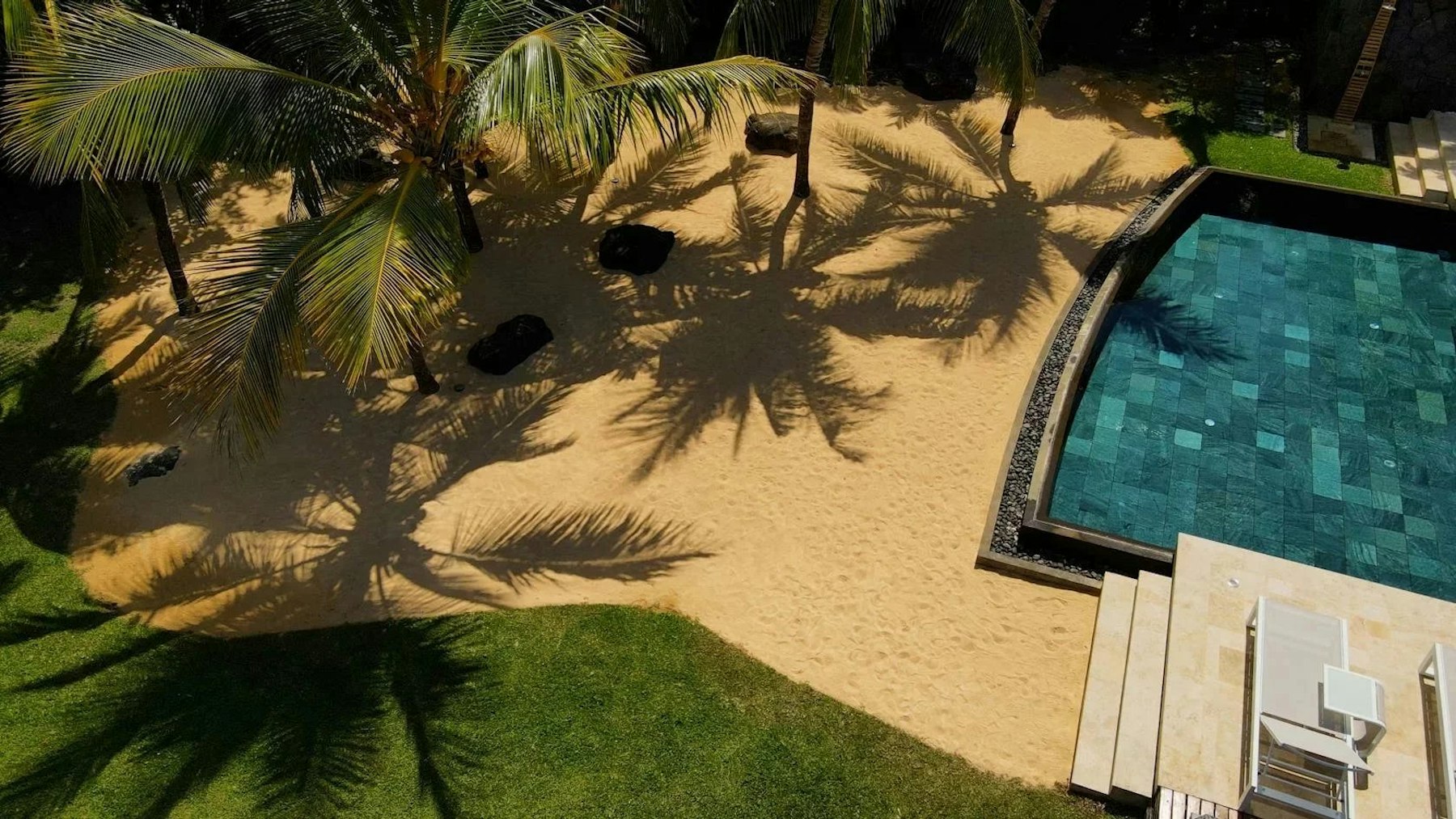
Most of our buyers are not just investing — they are moving a family. Mauritius is unusually well-equipped for it, especially for French- and English-speaking households.
Mauritius vs Dubai vs Greece
Most of our clients weigh Mauritius against one of two alternatives: Dubai for pace and zero income tax, or Greece for Schengen access. Here is the honest side-by-side we walk through on a first call.
| Mauritius | Dubai | Greece | |
|---|---|---|---|
| Ownership | Freehold (approved schemes) | Freehold (designated zones) | Freehold |
| Residency route | From $375k, valid while you own | 10-yr Golden Visa from AED 2M (~$545k) | Golden Visa €250k–€800k by area |
| Minimum stay to keep it | None | None (visit to keep visa active) | None |
| Personal income tax | Progressive, low bands (0–20%) | 0% | Progressive, up to 44% |
| Schengen access | No (visa-free travel varies) | No | Yes — EU residency |
| Flight & time vs Paris | ~11h direct · +2–3h | ~7h direct · +2–3h | ~3h direct · +1h |
| The life | Island, golf, lagoon, French schools | City energy, towers, business hub | Mediterranean, islands, culture |
Directional comparison as of July 2026 — thresholds and rules evolve. See our dedicated Greece Golden Visa guide and Dubai portfolio, or ask us for the three-market briefing.
Why Work with GADAIT in Mauritius?
Mauritius is our home market — our founder built his career on the island's estates. We match the property to the residency goal, not just to a postcode, and we stay after the deed.
The 5 estates to buy into, residency from $375,000, the tax frame (0% capital gains, 0% property tax) and entry budgets — 9 pages to keep, yours for your email.
FAQ — Buying Property in Mauritius
No — they only target first sales under IRS/RES/PDS/IHS/SCS. Resales between individuals and apartments in Ground+2 buildings are exempt: for a G+2 apartment from MUR 6M, you buy free of the 85/15 split and the own-funds floor — a genuine angle for apartment budgets. Source: EDB FAQ, February 2025.
Yes — in full freehold ownership, within government-approved schemes: IRS, RES, PDS, Smart City, and apartments in ground-plus-two (G+2) buildings from MUR 6 million. Since the Finance Act 2025, non-citizens can no longer buy residential property outside these approved schemes. Every acquisition is authorised by the Economic Development Board (EDB).
Purchase a residential property of at least USD 375,000 in an EDB-approved scheme (IRS, RES, PDS, Smart City, or qualifying G+2 apartment) and you receive a residence permit for as long as you own the property. It covers your spouse and dependent children, and there is no minimum stay requirement to keep it.
They are the legal frameworks under which non-citizens buy in Mauritius. IRS covers the original large resort estates with golf and hotel services; RES covers smaller boutique developments; PDS is the current framework for luxury villa and apartment developments; Smart City covers mixed-use live-work-play cities. All grant eligibility to the USD 375,000 residence permit.
Yes. Outside the resort schemes, non-citizens may buy apartments in buildings of at least ground plus two floors (G+2) with a minimum price of MUR 6 million. If the apartment purchase reaches USD 375,000, it also qualifies for the residence permit.
The buyer pays registration duty: 5% of the price. The Finance Act 2025 had scheduled an increase to 10% from 1 July 2026, but the Finance Bill 2026 repealed it — the 5% rate is maintained. Notary fees follow a sliding scale of roughly 0.5–2%. There is no annual property tax, no wealth tax and no council tax on residential property.
No. Mauritius levies no capital gains tax on individuals. A land transfer tax of 5% of the sale price is paid by the seller on resale — the planned increase to 10% was reversed by the Finance Bill 2026. The 30%-of-gain levy proposed in the 2025–26 Budget was not enacted in the final Finance Act — Mauritius remains a capital-gains-tax-free jurisdiction.
Personal income tax is progressive with low bands — 0%, 10% and 20% for most income levels, plus a contribution on very high incomes. There is no wealth tax, no inheritance or estate duty, and dividends from Mauritian resident companies are tax-free. Mauritius has over 45 double-taxation treaties, including with France, the UK, South Africa and India.
Yes. Unlike many island markets, Mauritian banks lend to non-resident buyers, typically up to around 60–70% of the property value, in MUR, EUR or USD. International private-banking financing is also common. We introduce qualified buyers to lending partners and compare structures before any commitment.
Yes — with one little-known rule: within IRS/RES/PDS estates, rentals must go through the estate company or the licensed manager it has appointed and declared to the EDB. This official channel secures income, upkeep and compliance. Rental income is taxed at the individuals' progressive bands (0/10/20%), and many owners combine part-year personal use with managed rental the rest.
Yes — the permit extends to your spouse or partner and dependent children. Parents can also be included under conditions. Rules on dependents are periodically adjusted (the Finance Act 2025 revised several categories), so we confirm the current position for each family before the application.
Yes. Indian nationals — like South African, French, British or any other non-citizens — buy through the same EDB-approved schemes, in full freehold, with the same USD 375,000 residency threshold. One practical note for Indian buyers: under the RBI's Liberalised Remittance Scheme, each family member can remit up to USD 250,000 per financial year, so couples commonly combine allowances or phase payments on an off-plan schedule. Mauritius is a direct flight from Mumbai and home to a large Indo-Mauritian community.
Yes — two routes. Buyers aged 50+ can acquire a unit (or life rights) in an EDB-approved Senior Living residence with no minimum price, and apply for a residence permit valid while they own or occupy the unit — spouse included. Alternatively, the Retired Non-Citizen permit requires no purchase at all: evidence of USD 2,000 per month (USD 24,000 per year) transferred to a Mauritian bank account. Many clients start with the income-based permit, rent for a year, then buy.
Yes — under the rules communicated by the EDB, a qualifying residential property can be acquired by several non-citizens, each holding a legal share, and each co-owner whose investment reaches USD 375,000 is eligible to apply for residency. Because this route is assessed project by project, we validate the structure directly with the EDB before any commitment. It suits families or partners sharing a large villa while each securing their own permit.
No. There is no minimum stay requirement to keep the property-linked residence permit — it remains valid for as long as you own the property. The 183-day threshold only matters if you choose to become a tax resident of Mauritius.
For a completed property, plan roughly 6–10 weeks from reservation to deed: reservation agreement, EDB application and KYC, then the deed of sale before a Mauritian notary. Off-plan purchases follow the construction schedule with staged payments (VEFA), and the residence permit is processed alongside.
It depends on your life: the North (Grand Baie, Mont Choisy) is the most vibrant and liquid; the West (Tamarin, Black River) has surf, sunsets and Le Morne views; the East (Beau Champ, Anahita) is the lagoon-and-golf resort coast; the South (Bel Ombre) is wilder and more exclusive. The strongest estates include Anahita, One&Only Le Saint Géran, Mont Choisy, Azuri, Heritage Villas Valriche and Harmonie.
From the live GADAIT portfolio (August 2026): 292 residences for sale island-wide, from about €176,000 for north-east apartments to €12.9M at the top of the market, with a median asking price around €1.4M. By area: Grand Baie starts near €215,000 (median ≈€744,000), Tamarin near €306,000 (median ≈€1.65M), while Rivière Noire and Beau Champ/Anahita medians sit around €2.4M. Close to 40% of the portfolio is under €1M, so the USD 375,000 residency threshold is reachable in most areas.
The fundamentals remain strong: structural scarcity inside approved estates, steady residency-driven demand, freehold title, no capital gains, wealth or inheritance tax, and rental management infrastructure. Even better: the planned doubling of acquisition duty and land transfer tax to 10% (July 2026) was repealed by the Finance Bill 2026 — both remain at 5%. Entry pricing and estate selection remain the real performance drivers. Well-bought assets in established estates (Anahita, Rivière Noire, Bel Ombre) remain resilient; overpaying in weak developments is now punished harder.
They answer different briefs. Mauritius offers a residence permit from USD 375,000, freehold in approved schemes, a gentle progressive tax system with no capital gains or inheritance tax, and an island family life with French and international schools. Dubai offers a 10-year Golden Visa from AED 2 million, 0% personal income tax and a global business hub at city pace. Families choosing a primary relocation often prefer Mauritius; investors optimising for zero income tax and business connectivity often prefer Dubai — and many of our clients ultimately hold both.
The questions buyers ask before purchasing in Mauritius
The Mauritius Buyer's Glossary
This guide is maintained against primary sources: the Economic Development Board of Mauritius (scheme guidelines and permits), the Mauritius Revenue Authority (duties and taxation), the Finance (Miscellaneous Provisions) Act 2025, and professional analyses including KPMG Mauritius Tax Alert No. 95 (September 2025). Our own figures come from the live GADAIT portfolio.
Request the Mauritius Buying Guide & Price Lists
Get the Mauritius 2026 buying guide and the latest estate price lists — Anahita, Mont Choisy, Heritage Villas Valriche, Harmonie and more — with off-market opportunities curated for qualified buyers.
Properties by Estate & Coast
Newsletter
Be among the privileged.
Subscribe to the Gadait International newsletter and receive the latest trends in the luxury market, along with exclusive opportunities for exceptional properties in advance.
Low frequency. High relevance.