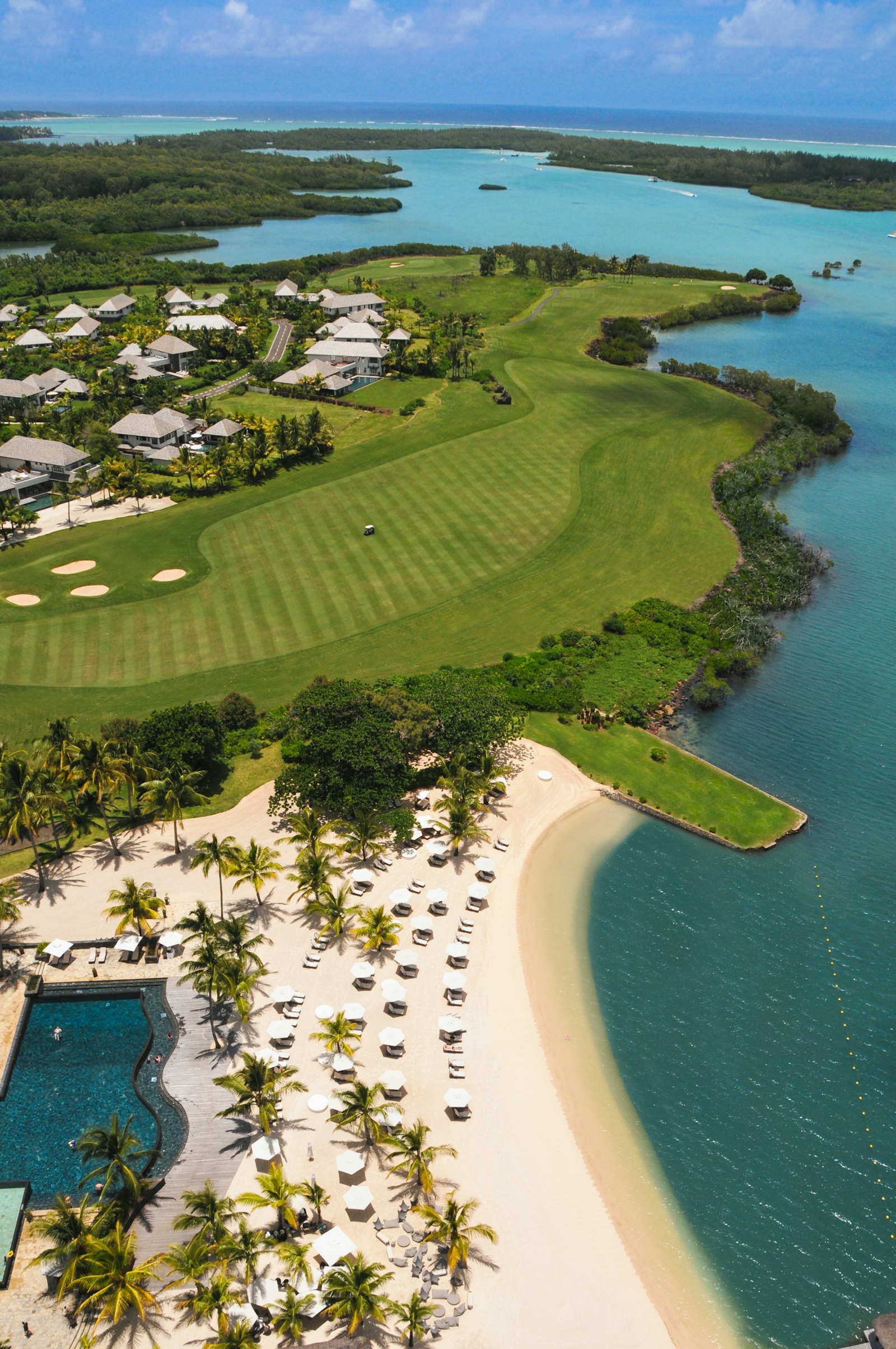
Buying a property of USD 375,000 or more in an approved scheme (PDS/IRS/RES/Smart City) entitles the non-citizen owner to a Mauritius residence permit. The permit is valid for as long as you continue to own the qualifying property, there is no minimum-stay requirement, and it extends to your immediate family (spouse and dependent children). Be careful to distinguish this from the G+2 apartment route (minimum MUR 6 million), which grants property access but does not, by itself, confer residency. Confirm current thresholds and conditions with the EDB and a Mauritian adviser before you rely on them.
What USD 375,000 actually buys you
The residence-by-investment link is specific: acquiring a residential unit within an approved scheme for a purchase price of at least USD 375,000 entitles the buyer — as owner — to a Mauritius residence permit. This is one of the main reasons international buyers choose the scheme route rather than the G+2 route, because it packages a lifestyle asset with the right to reside. The permit is tied to ownership: hold the qualifying property and the residence right persists; sell it and the basis for the permit falls away.
The permit is also family-friendly and low-friction. It extends to the spouse and dependent children, and — unusually — imposes no minimum physical-presence requirement, so you are not obliged to spend a set number of days per year in Mauritius to keep it. That flexibility suits buyers who want an Indian Ocean base without relocating full-time. The USD 375,000 figure is a threshold in US dollars even though many day-to-day prices are quoted in MUR or EUR, so confirm the dollar value of your specific purchase with the notary at deed stage.
Do not confuse it with the G+2 route
The most common mistake is to assume any qualifying-price purchase confers residency. It does not. The G+2 apartment route, with its MUR 6 million minimum, is an access-to-property mechanism only: it lets a non-citizen own an apartment in a building of ground-plus-two floors, but it does not automatically deliver the residence permit that the USD 375,000 scheme purchase does. A buyer whose primary goal is residence should therefore target an approved-scheme unit at or above USD 375,000, not a MUR 6 million G+2 apartment.
For a family relocation, the details matter: which family members are covered, what happens to the permit if you later sell or trade up, and how the residence permit interacts with tax residence (a separate concept). The residence permit is an immigration status, not automatically a tax-residence status, and the two should be planned together. Have the EDB criteria and your family's specific situation confirmed by a Mauritian immigration adviser before you buy for residency reasons.
Sources
Primary and expert sources behind this answer:
- Economic Development Board (EDB) Mauritius — Acquisition of Immovable Property by Non-Citizens & Residence Permit guidelines ↗
- Passport & Immigration Office, Mauritius — Residence, retired non-citizen and naturalisation ↗
This page is general information, not legal or tax advice. Mauritian property, residence, succession and tax rules are technical and change frequently — notably the 1 July 2026 registration-duty change. Every figure and rule here must be confirmed with a Mauritian notary (notaire), a tax adviser (fiscaliste) or a lawyer for your specific situation before you act.

Luxury buyer's agent, on the buyer's side only — Mauritius, Dubai, Marbella, Greece, the Maldives and the French Alps. Every price and every rule on this page is sourced (developers, sales offices, official EDB/MRA texts) and dated; pages are re-verified quarterly.
Our editorial method →Related questions
Explore our guides and listings
Buying property in Mauritius? Get an independent read first.
GADAIT is an independent luxury buyer's agent. We confirm the scheme, the tax, the residence reality and the real all-in cost for your specific case — before you commit.
Newsletter
Be among the privileged.
Subscribe to the Gadait International newsletter and receive the latest trends in the luxury market, along with exclusive opportunities for exceptional properties in advance.
Low frequency. High relevance.